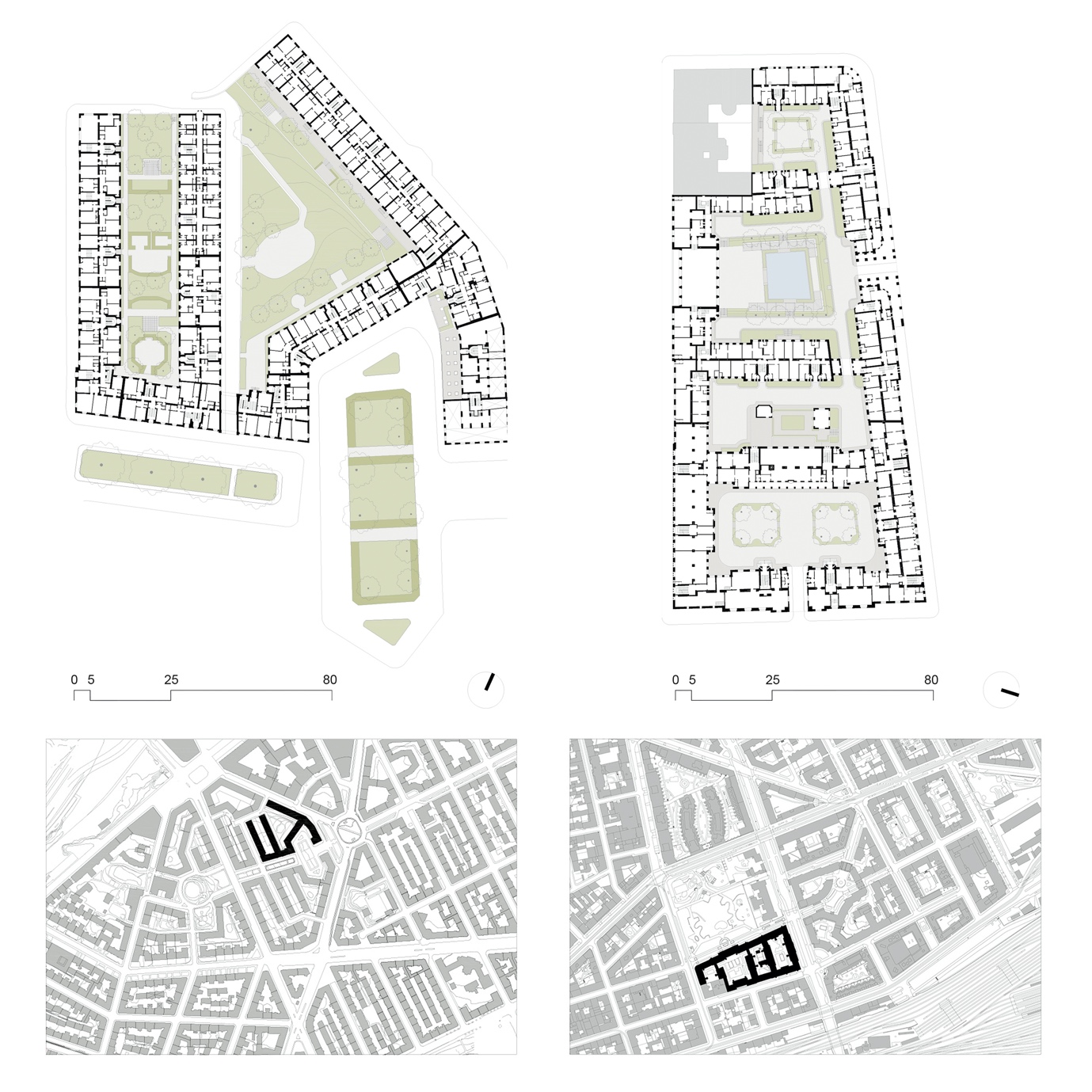
Image credits: @ Drawings by Monterumisi and Porotto Abstract The paper aims to look back on some valuable accomplishments at the beginning of the 20th century, built in Stockholm (1916-1930) and Vienna (1919-1933). Selected case studies of the two cities – analysed through original items and the re-drawings of plans done by the authors – provide a clear framework to …
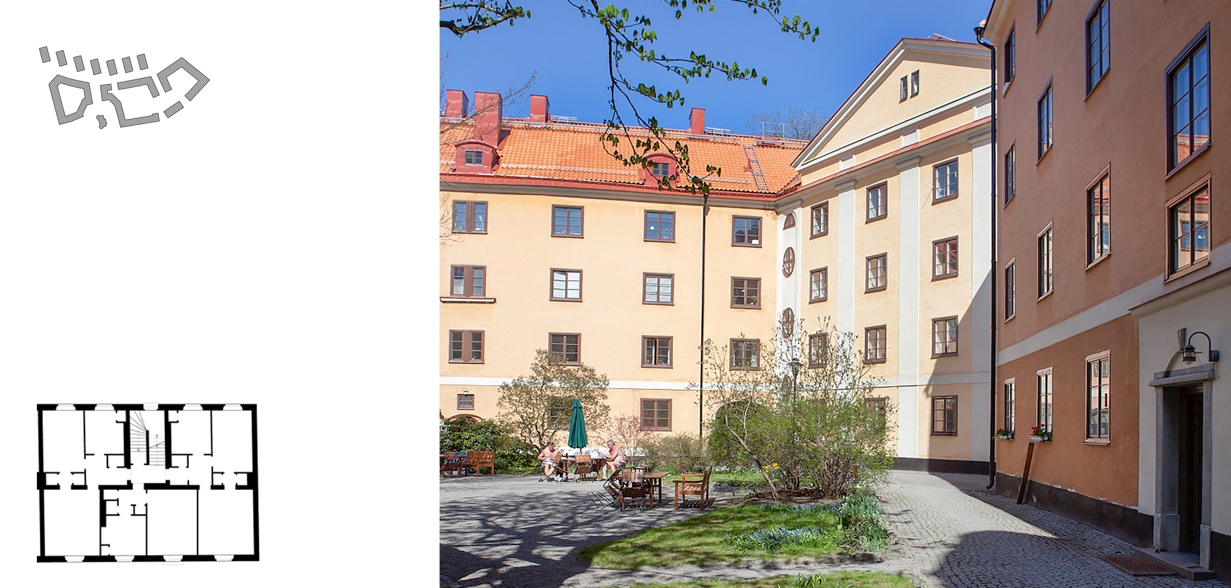
Image credits: @ Drawings and photos by Monterumisi Abstract Although from the 1930s on Sweden led and inspired the rest of war-ravaged Europe in town planning and housing, its 1920s contributions tend to be overlooked, and the so-called Swedish Grace, with its classical echoes, appeared alien to avant-gardism. But mass housing was not just a …
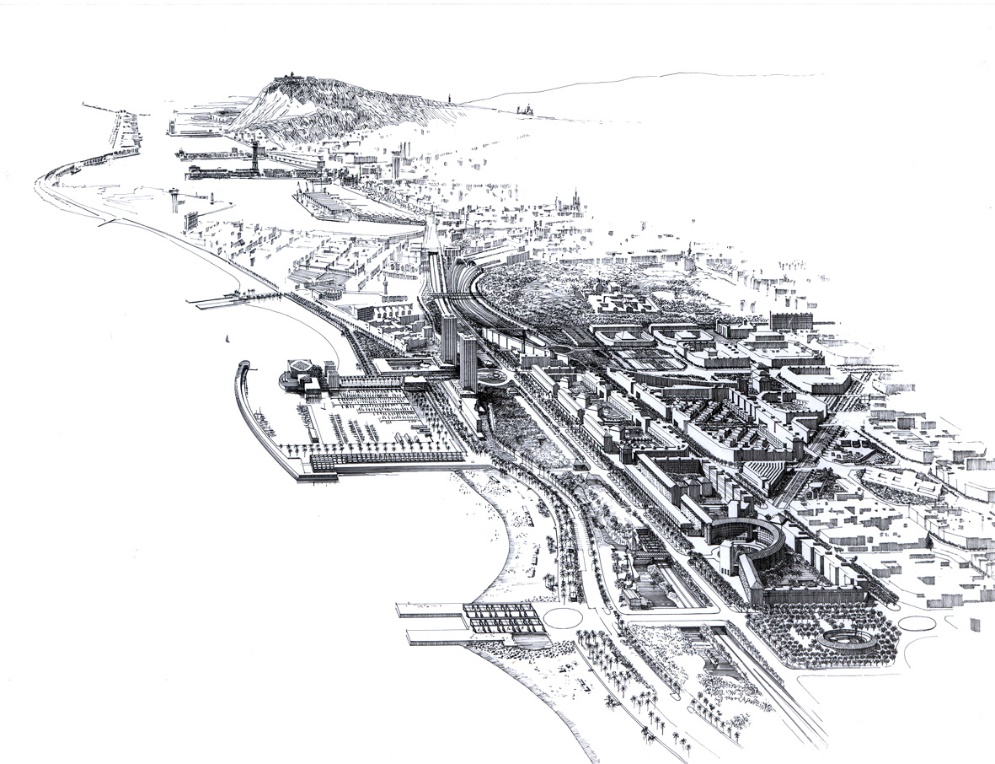
Image: Urban design project for the seafront, by the architects and authors of the Olympic Village: Martorell, Bohigas, and Mackay Abstract The experience of Barcelona from the start of the 1980s up until the end of the 1990s has been widely described in academic and professional media alike. However, it is not easy to find global …
Abstract International Exhibitions (otherwise known as World’s Fairs or Expos) can be seen as laboratories, showcases and ‘front runners’ of different kinds of urbanism, as well as catalysts of urban change. In contrast to the wide literature on their architecture or their impact on urban development, much less attention has been paid to their relationship …
Abstract The book explains how the contemporary city and landscape have been shaped by certain twentieth century visions that have carried over into the twenty-first century. Aimed at both students and professionals, this collection of essays on diverse subjects and cases does not attempt to establish universal interpretations; it rather highlights some outstanding episodes that …
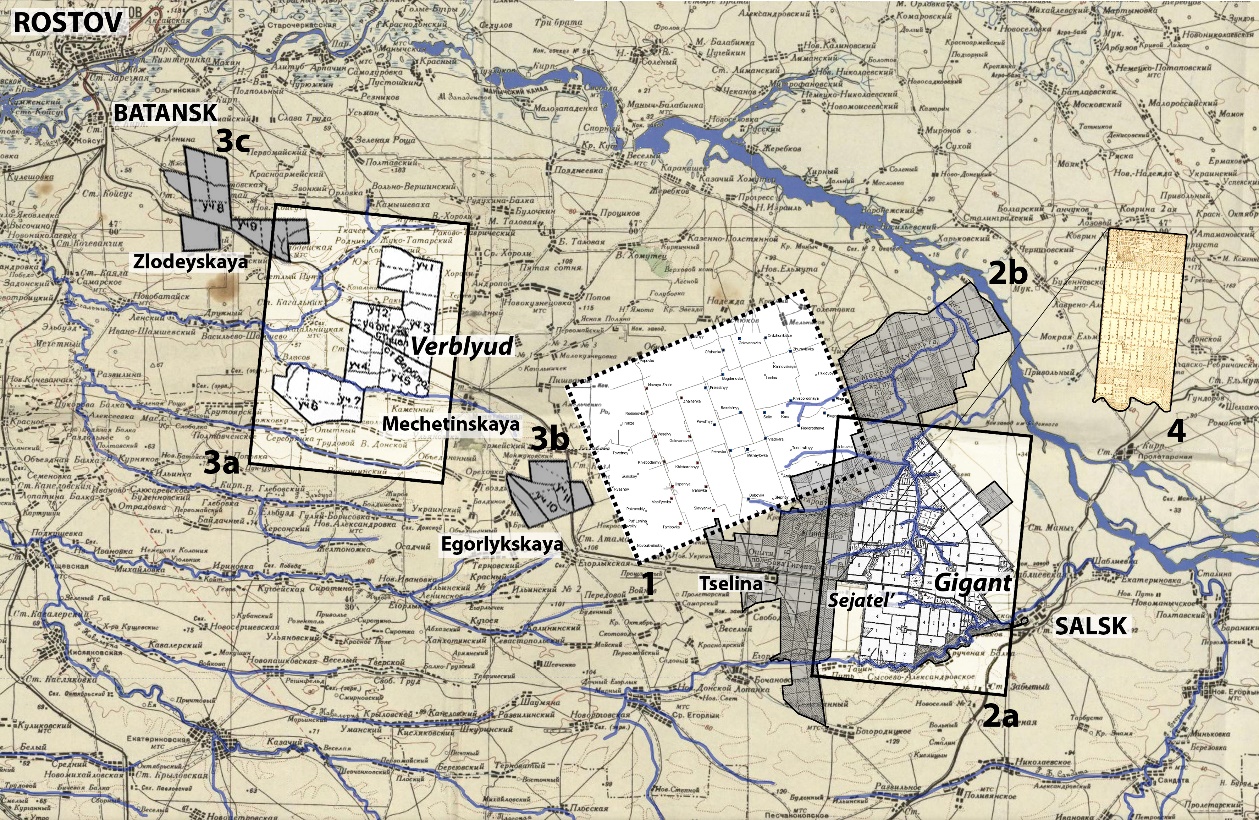
Abstract Salsk steppes territory, located in the Rostov-on-Don region, collects significant examples of the Soviet programs for the reclamation of steppes in different period: from the early 1920s colonisation of land by Transcaucasian Russian religious refugees, to the establishment in late 1920s and 1930s of «sovkhoz (state farms)» and «kolkhoz (collective farms)» during the first …
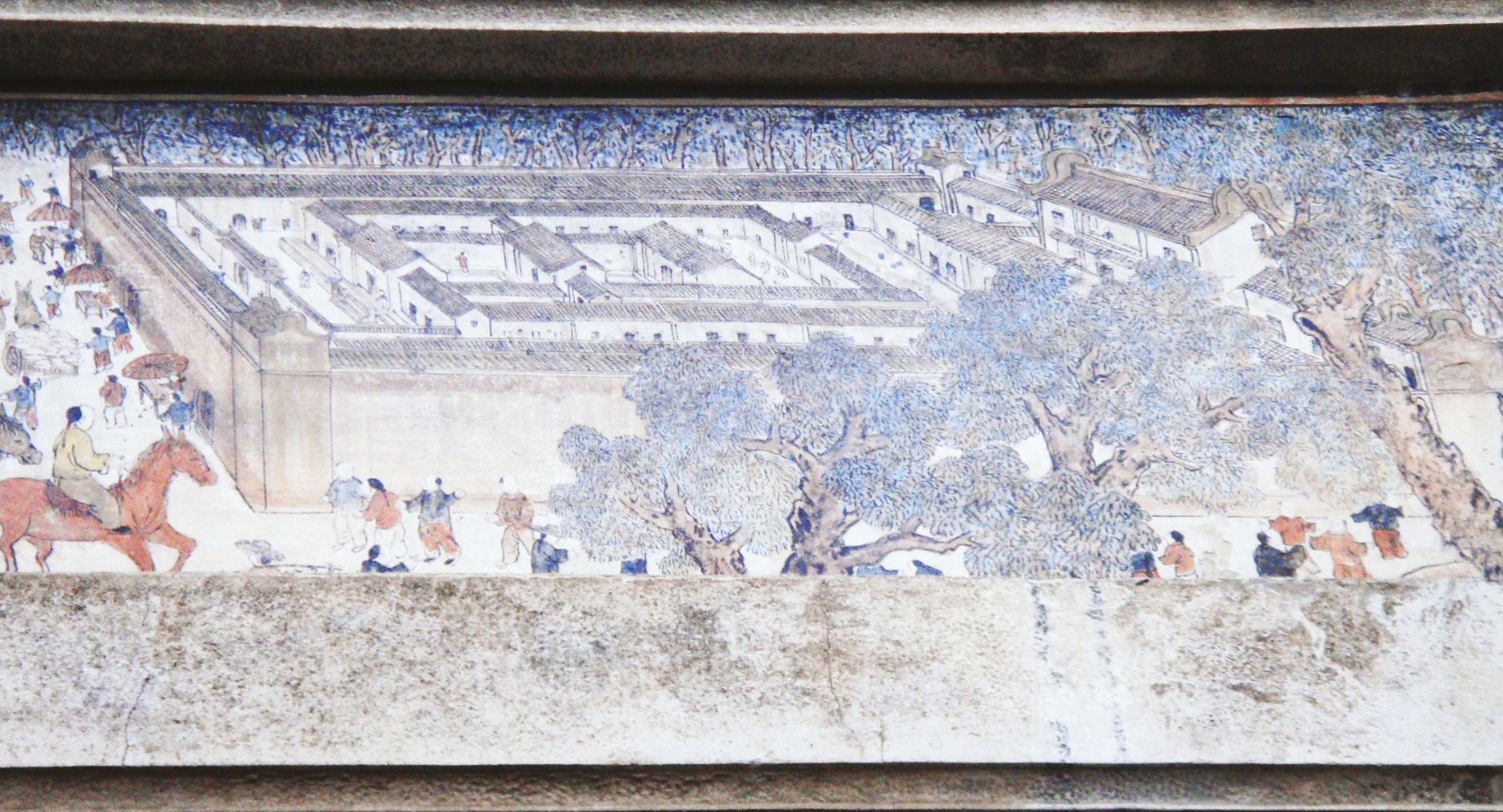
Abstract The traditional Chinese settlement consists in the combination of urban cores and urbanized countryside known as the “urban-rural continuum” (W.G. Skinner). If on the urban side of the continuum a great part of urban fabric disappeared in recent decades, what we define as “historical core” according to the common idea we have of it …
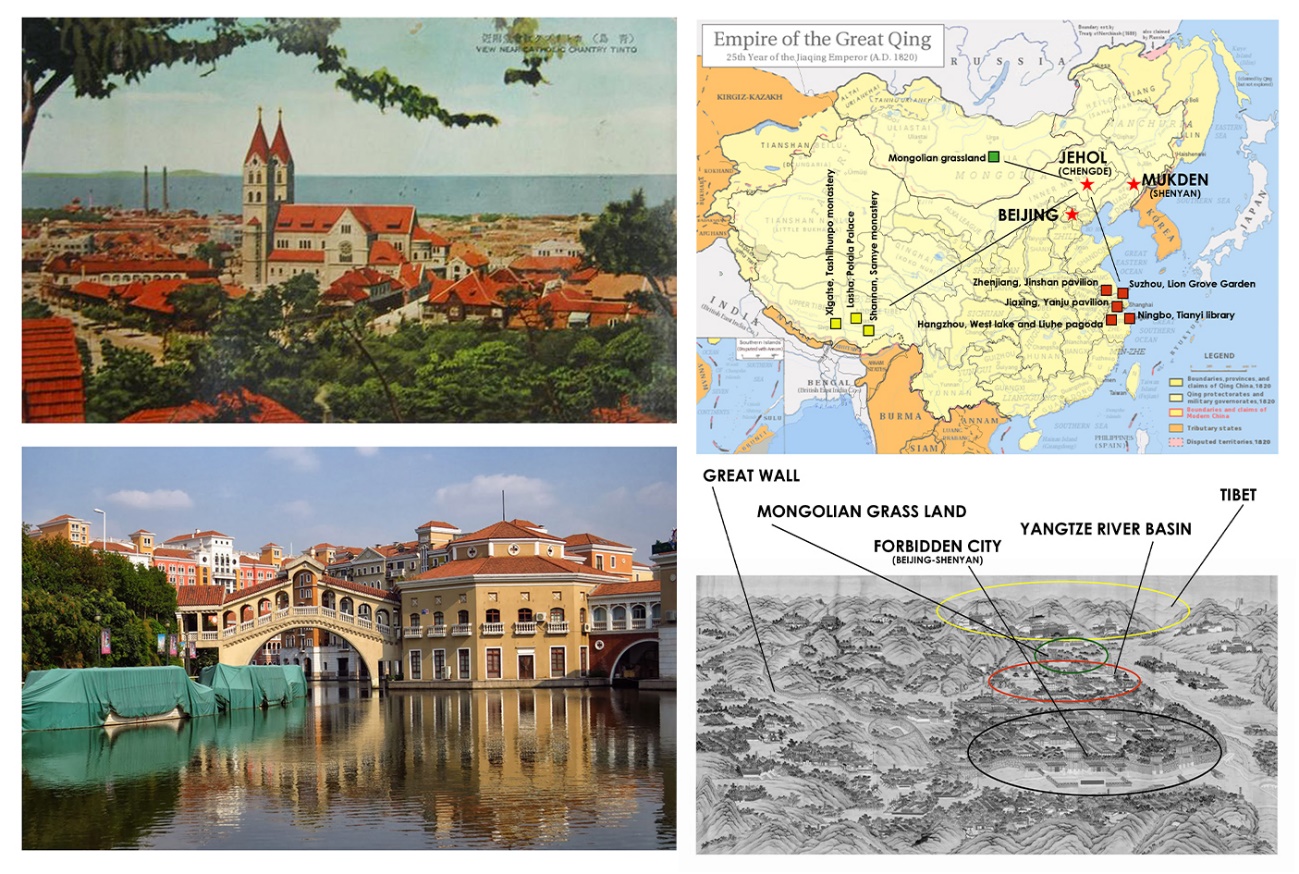
Abstract Thames City, New Holland, Florentia village, etc. – are the names of residential districts and shopping villages that every Chinese city of a certain rank has now created to satisfy the dreams of the new middle class. These are not only evocative names but faithful copies of samples from the favorite tourist destinations of …
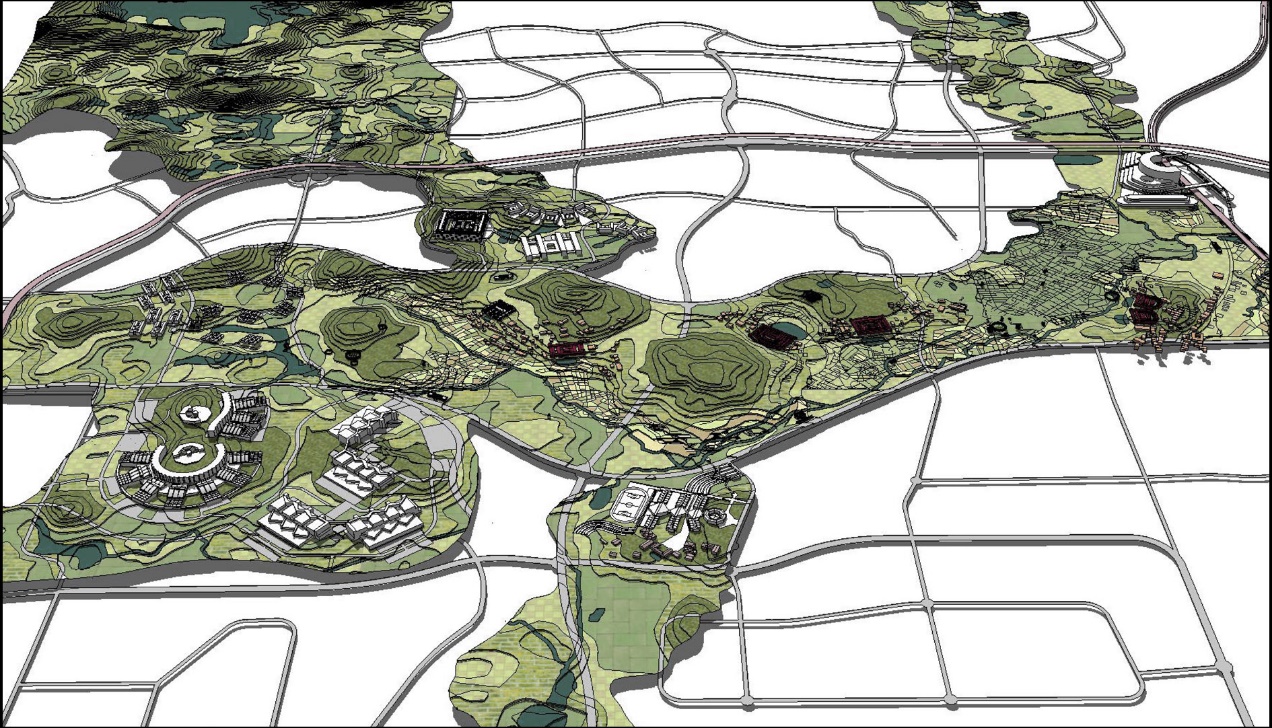
Abstract In our consulting activity for the Huizhou Municipality (Guangdong Province, China) we proposed a strategy of development of the city of Huiyang based on the integration in the frame of its Official Masterplan of rural “landscape units” containing groups of “weilong type” Hakka fortified villages. These “landscape units” should still maintain an appreciable ratio …
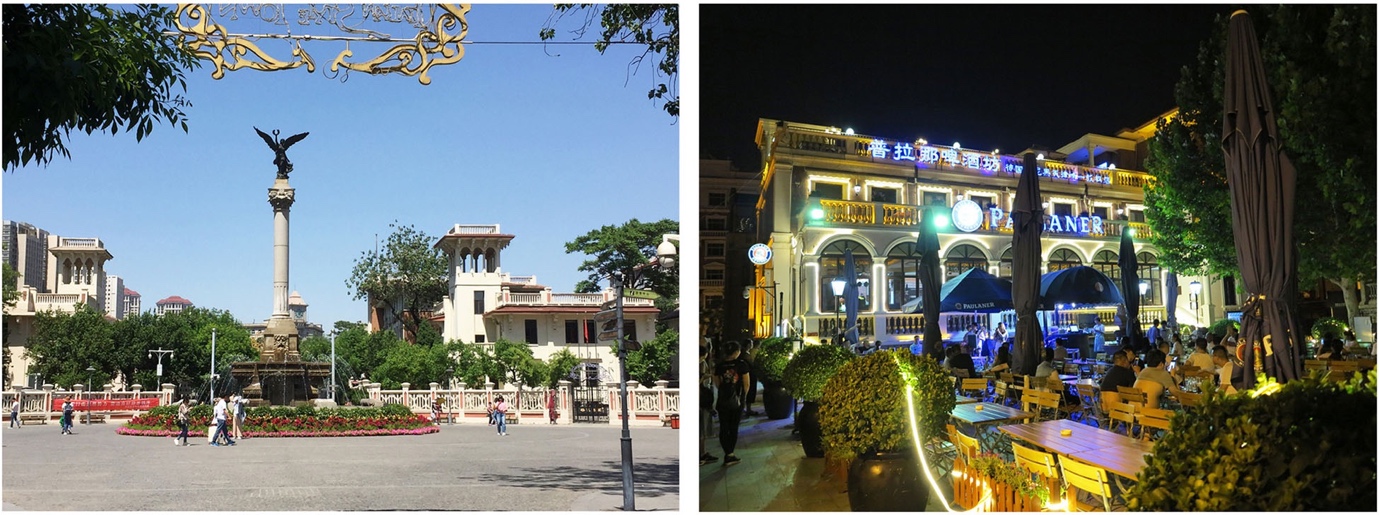
Image: A villa in Marco Polo Square transformed into a restaurant (Paulaner) in the New I-Style Town in Tianjin (Source: Françoise Ged and Emilie Rousseau, 2018) Abstract The article examines what is being promoted about Tianjin’s rich heritage through its tourism and heritage practices. An industrial city traditionally known for its crafts and gastronomy, Tianjin …