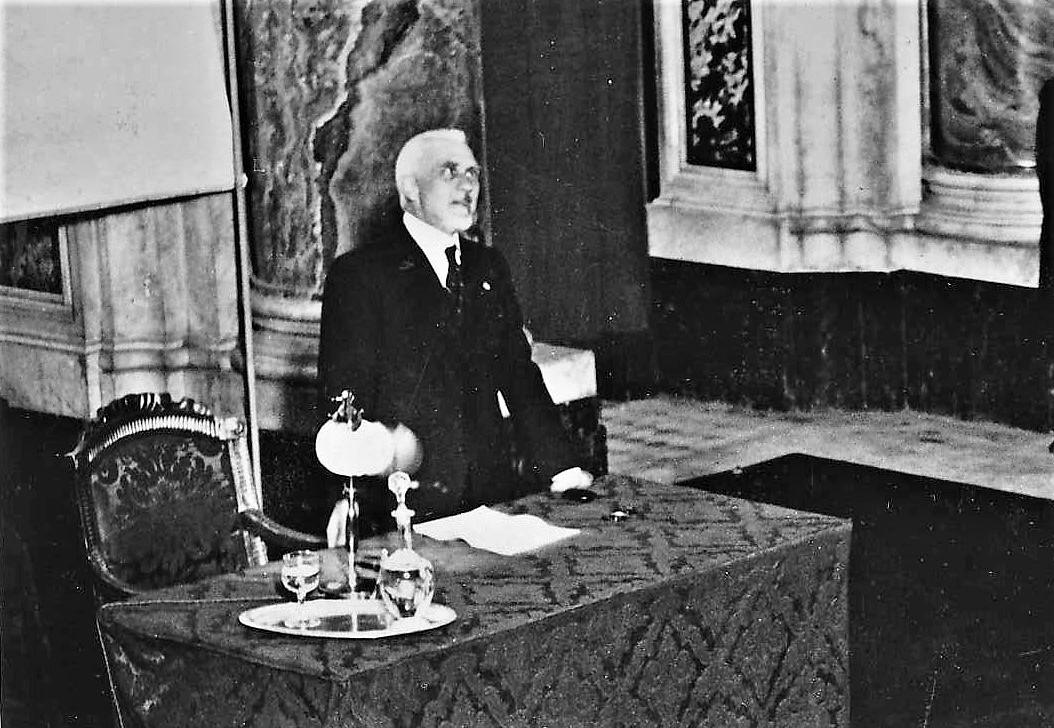
Abstract Giovannoni, an engineer, made a decisive contribution to the development of a new professional figure best described as the integral architect. Under this broad indicative title we find a wide variety of skills and areas of expertise (with subsystems of their own) which form part of a rich general portfolio. They range from legislation …
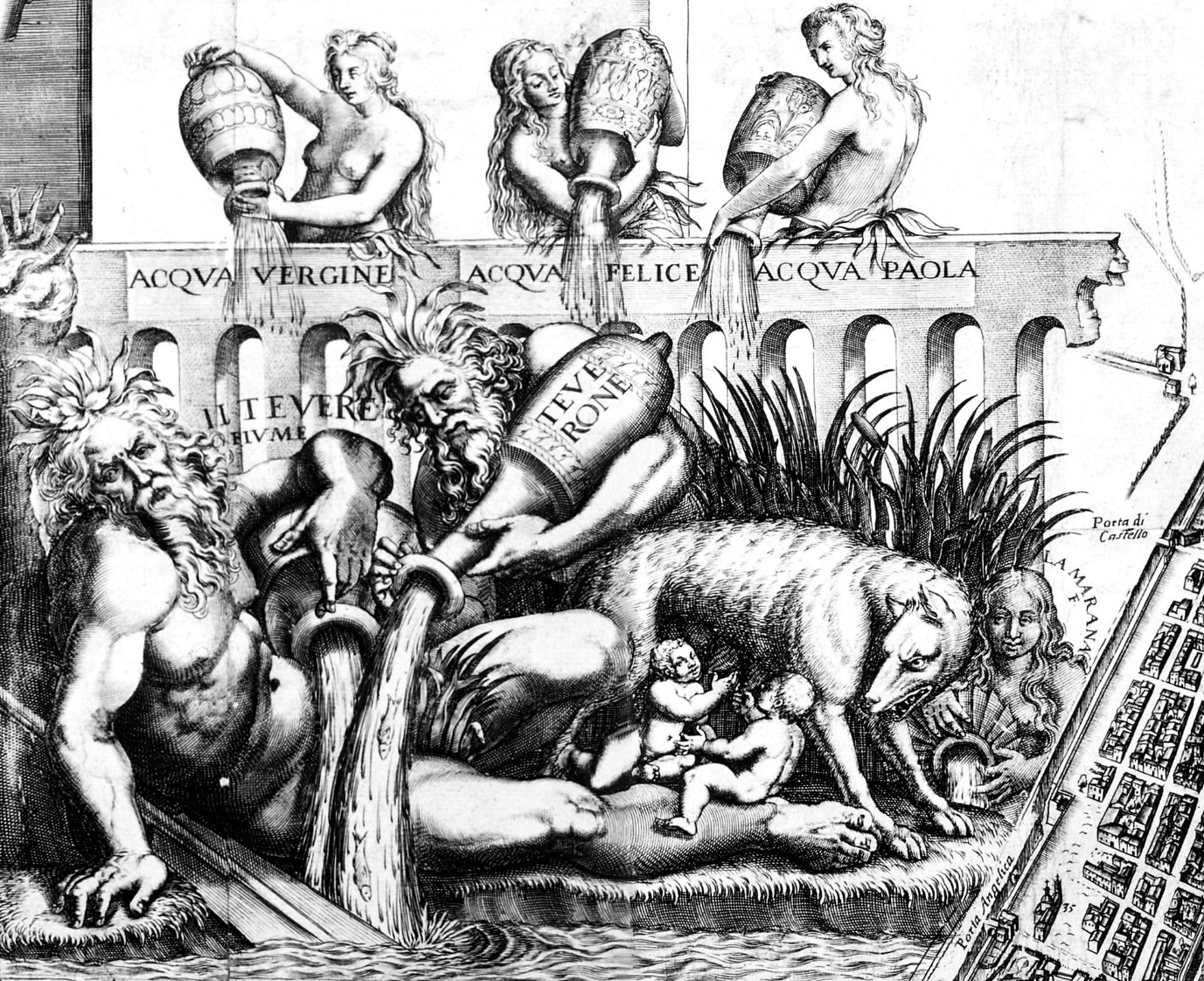
Abstract The volume outlines the links between the uses of water and the development of Rome in the Renaissance period. The ante-quem term is set around 1570, when the restoration and expansion of the ancient Vergine aqueduct, followed by the construction of two new aqueducts (the Felice and the Paolo), returned to Rome an extensive …
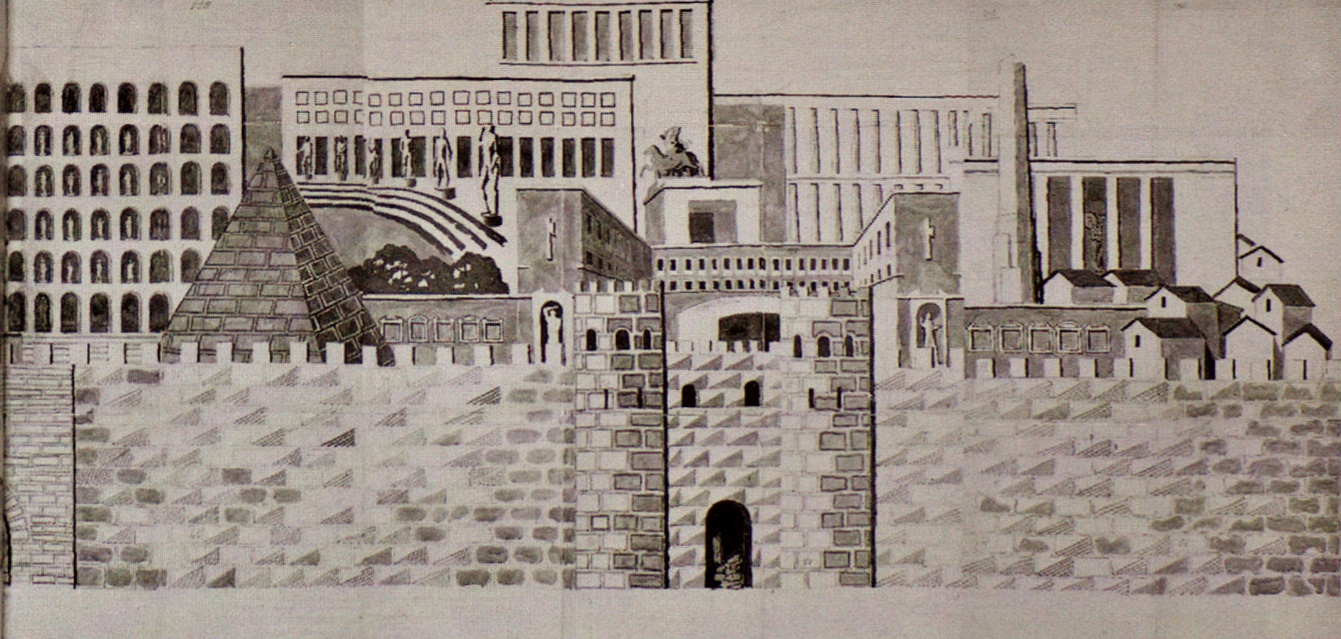
Abstract The city gate is a spatially complex structure, articulated by environments diversified by function and morphology: the transit entrance hall, the garrison room, the customs office, the health control center (nerve center in recurrent epidemics), the police station with the small prison and even a small chapel (sometimes summarized in a sacred image painted …
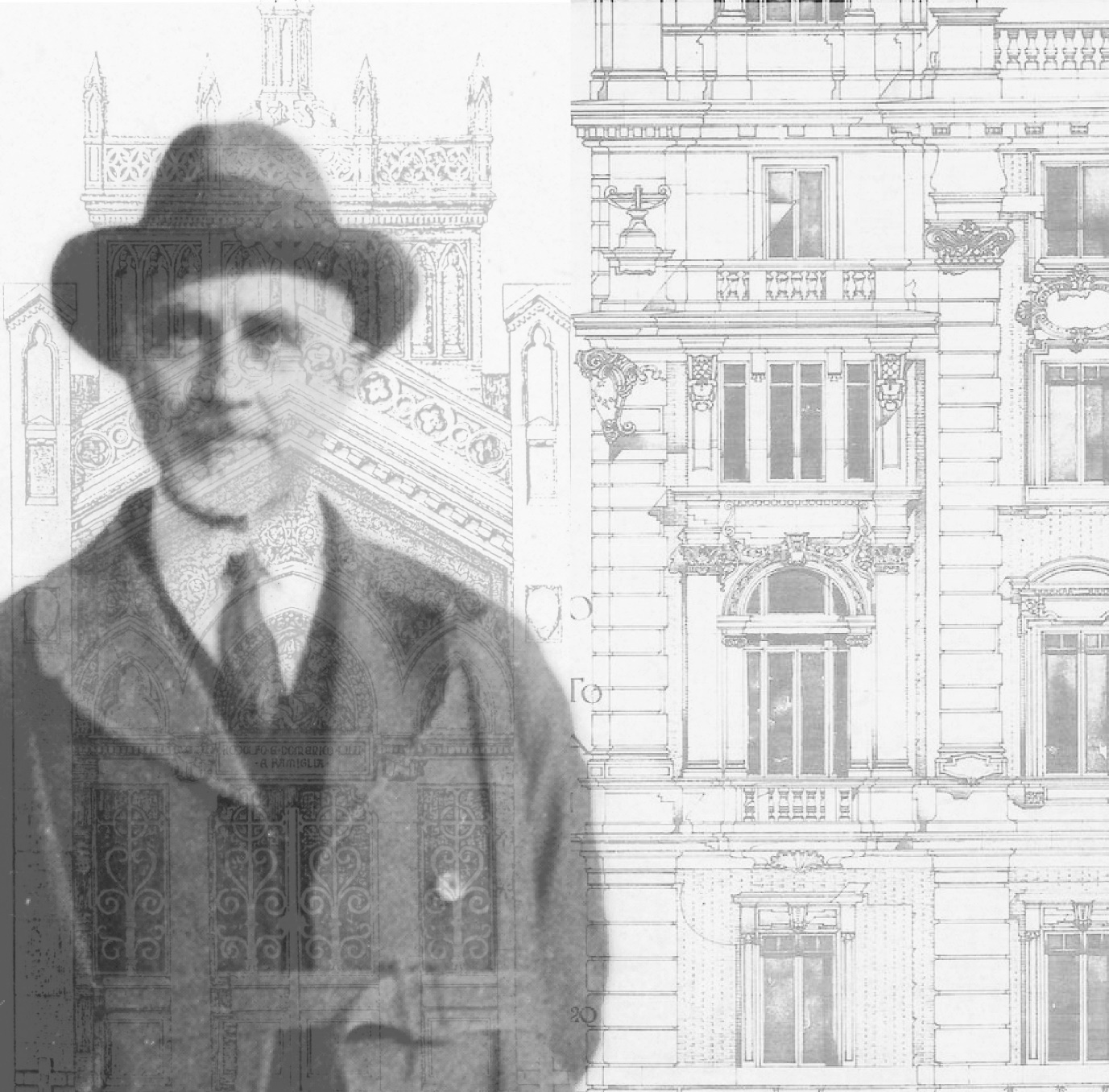
Abstract Central protagonist of Italian architectural culture in the first half of the twentieth century, Gustavo Giovannoni (Rome 1873-1947) contributed decisively to the formulation of the so-called integral architect, whose knowledge had to range from protection to urban planning, from the environment to restoration, from building design to history, from teaching to technology. An engineering …
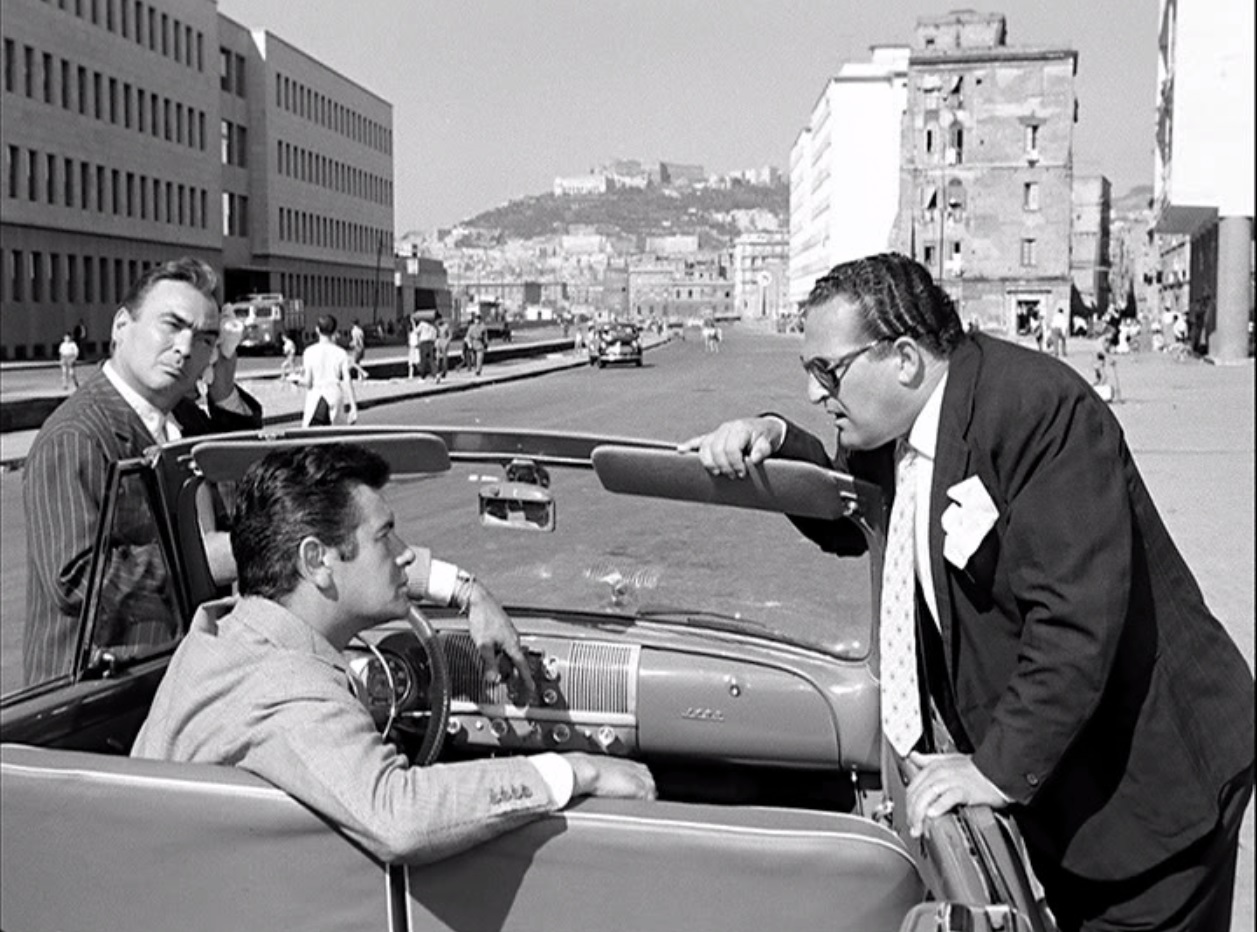
Abstract The volume deals with the fascinating and complex relationship between cinema and the city, which has originated since the film medium made its debut on the world stage. In fact, from the very beginning, cinema is configured as an agent capable of revealing evident or latent dimensions, in architecture as in the city, or …
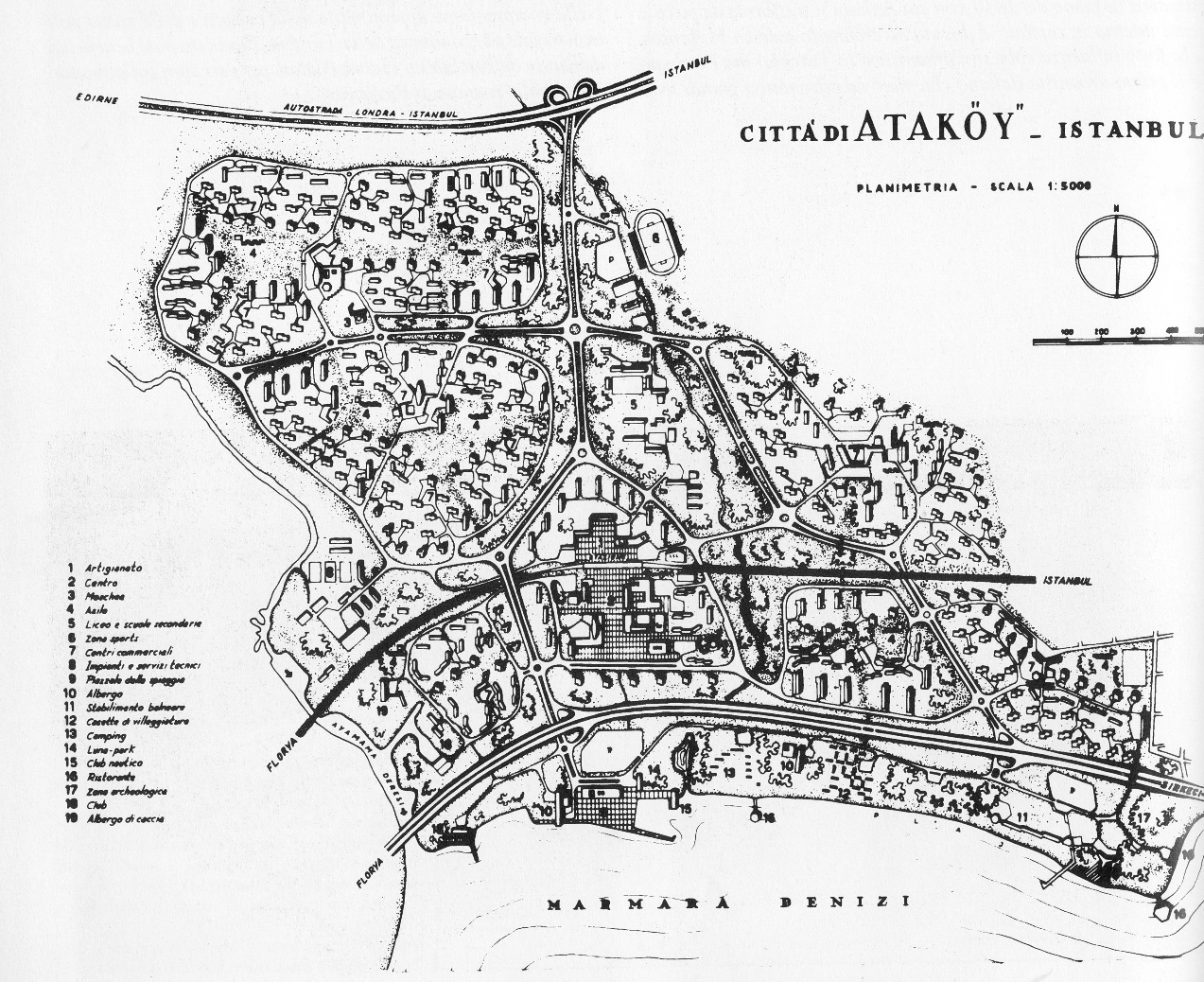
Abstract This paper analyzes how one of Italian planning “fathers” faces the demands of seaside tourism during his career, and what contribution he has provided starting from the theoretical reflections of his youth. Later Piccinato designed the master plan of many seaside towns, such as Castellammare di Stabia in 1936, Sorrento in 1940, Pescara in …
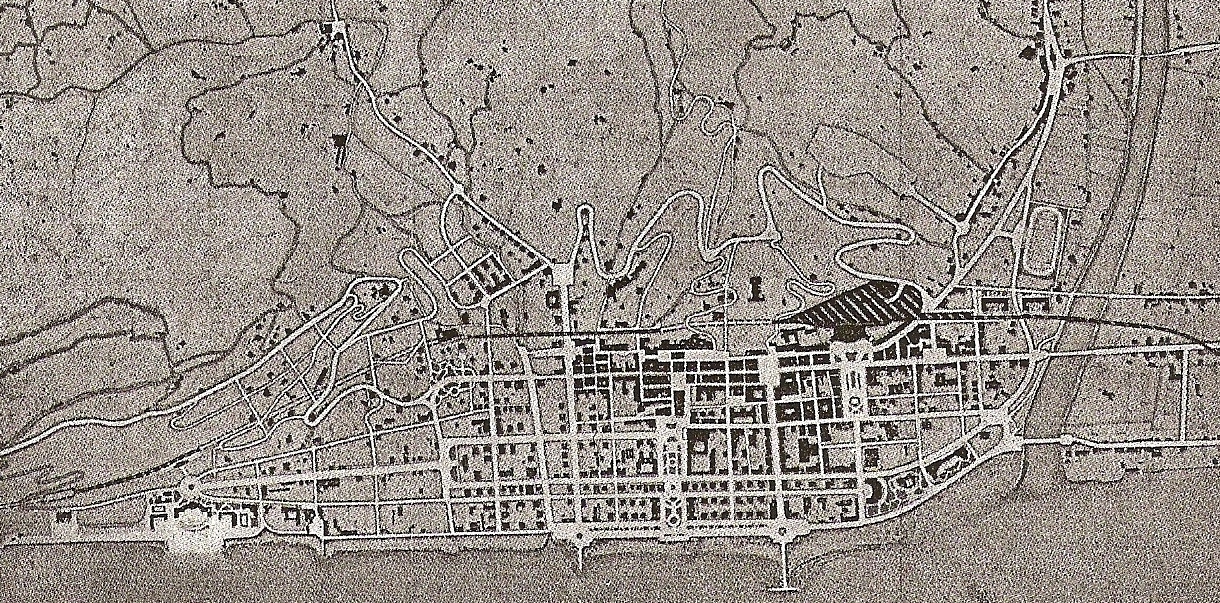
Abstract The study reconstructs the role that – in the years of its establishment as an autonomous knowledge – the Italian urban culture has played in defining guidelines for the project of the holiday city, in a period in which the phenomenon of the holiday, from the exclusive prerogative of wealthy elite, it gradually becomes …
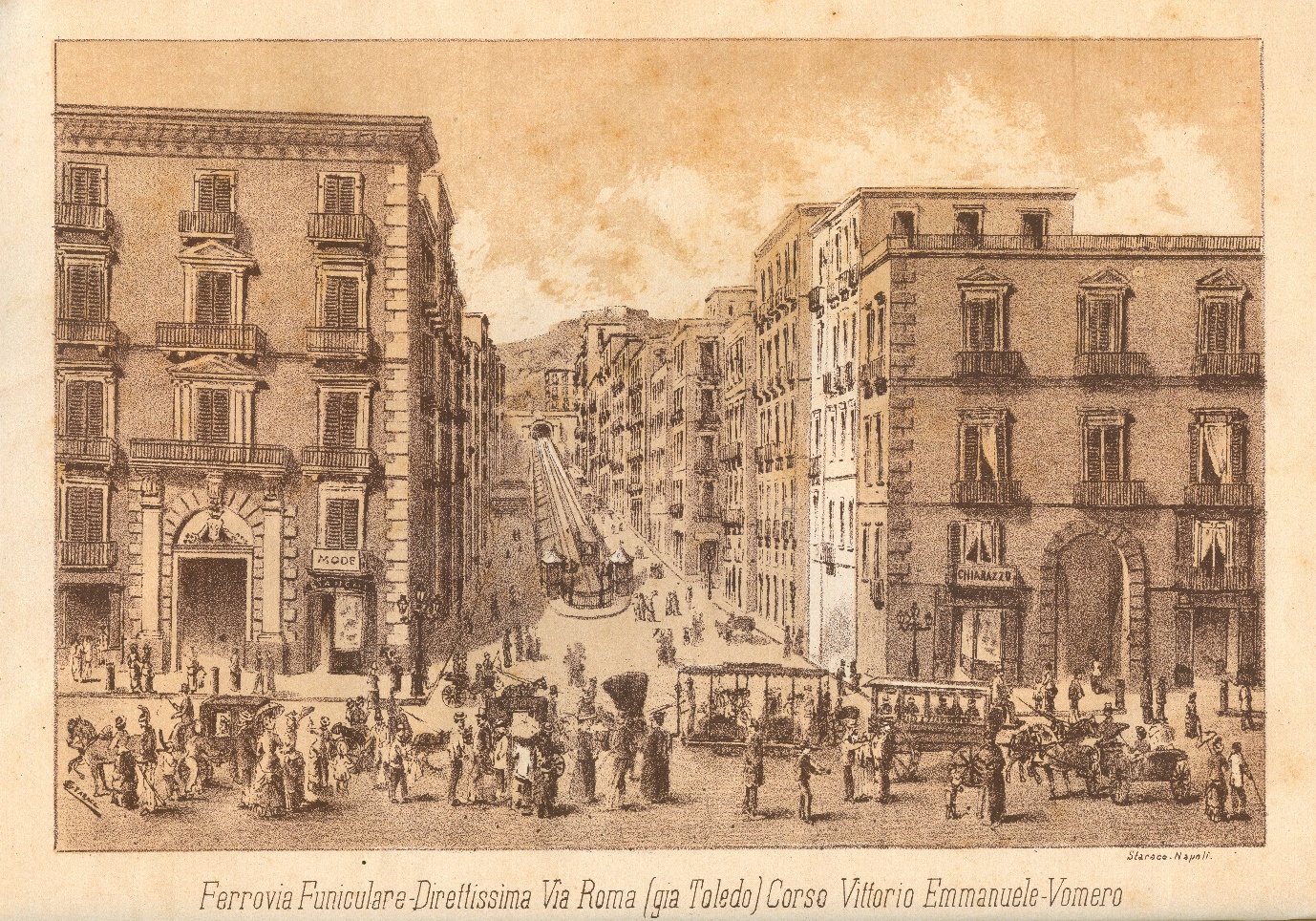
Abstract Relating to the period 1860-1936, the volume analyzes a variety of projects – some little known, others completely unpublished –, which identify the pleasant Vomero hill in Naples as a suitable place to solve the problems of overcrowding and unhealthiness of the “old city”. Several hypotheses alternate and confront each other for these sites: …
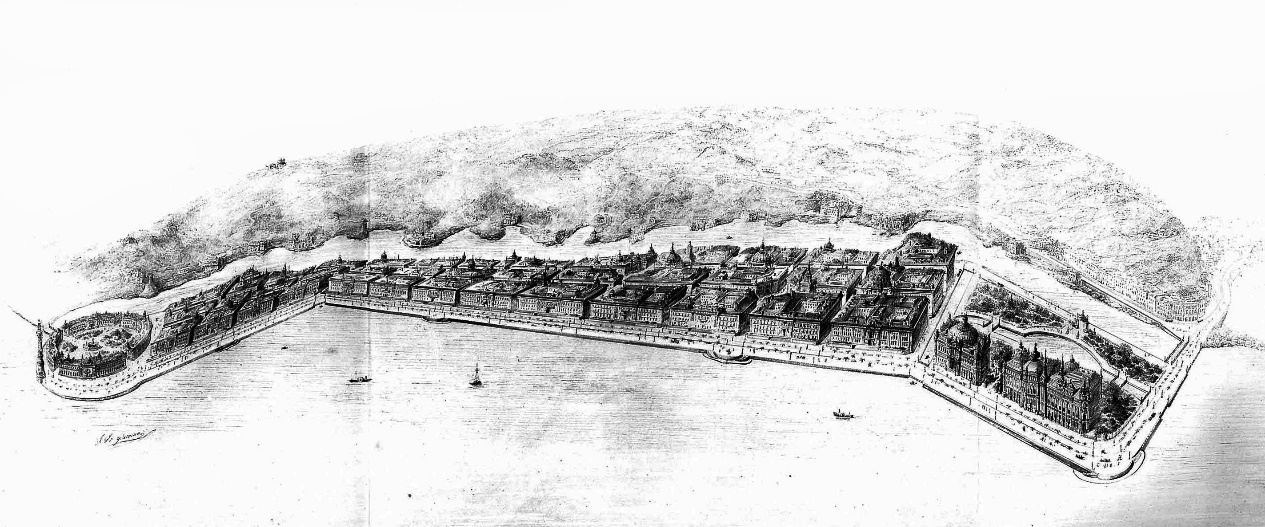
Abstract The volume analyzes a variety of projects – little known or unpublished – developed in the period 1860-1935 for the districts of Posillipo, Fuorigrotta and Bagnoli, in Naples. The study reconstructs the evocative succession of ideas focused on places that were celebrated in landscape and marked by myth. In the context of projects that …
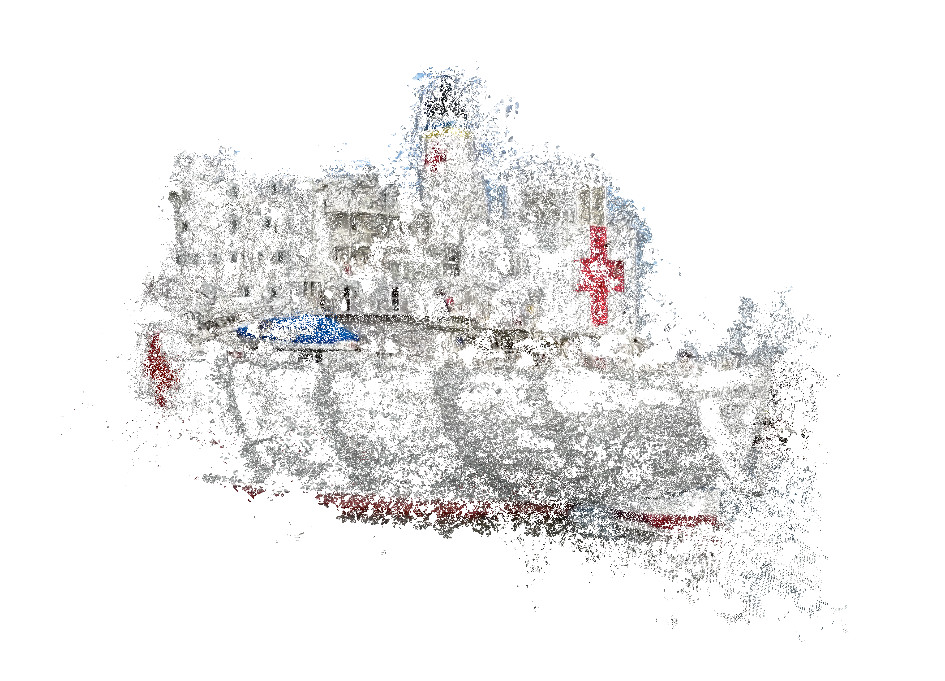
Abstract While new forms of mobility and unprecedented infrastructural developments allow us to physically go from one place to another faster than before, digitalization bounds our activities in a virtual space of networks, making “online movement” easier than ever. This article argues that this flexibility of movement gives us the opportunity to reconsider the way …